
We all crave love and meaningful connection but with a lack of self awareness, we often sabotage the very relationships we value most. When we’re unaware of how our actions impact others, we risk hurting the people we care about, even when we don’t intend to.
Self-awareness can be defined as our ability to perceive ourselves—our actions, thoughts, and emotions—in an objective way. The main threat to these objective perceptions is a subjective one: our ego.
Having meaningful connections is essential for our happiness in life. Therefore, it is crucial to understand how we show up in them and what we can do on our end to improve and sustain healthy relationships.
Importance of Self-Awareness in Relationships
The main purpose of becoming self-aware is to understand the truth about yourself. Emotional intelligence and self-awareness go hand in hand, as both help you understand how your behavior affects others and what you can do to improve yourself.
The challenge is that facing the truth about yourself can be an unpleasant experience, especially if you have been ignoring it for a while. On the other hand, staying in the dark may feel easier, but it’s superficial.
Lack of self-awareness can lead to all kinds of negative behavior and a failure to take accountability for mistakes made. This kind of behavior will never sustain a healthy relationship. Either it will create a toxic relationship, or if the other partner is emotionally healthy, the toxic partner will be cut off.
By practicing awareness, we get to recognize what our flaws are, and we get the power to change them before they create any more problems.

Imagine a situation in the workplace where your supervisor gives you honest feedback on your performance. Self-awareness works similarly, except you are the supervisor, reflecting objectively on your behavior.
Besides transforming your relationships, it gives you the ability to truly understand yourself, opening the door to genuine self-love and confidence based on who you truly are.
One of the biggest obstacles to self-awareness is our ego—the part of us that resists uncomfortable truths.
Self-awareness VS Ego: How to Tell the Difference
Self-awareness can be a powerful antidote to the ego. While our ego shields us from uncomfortable truths, awareness exposes our truth. It forces us to face the reality of our behavior, even when it’s uncomfortable.
The realization that you are not such a great person can be uncomfortable, but it is necessary to face this to actually grow into a better person.
It is the nature of ego to cover up flaws and wrongdoings under a pile of excuses. If we aren’t self-aware, we live in the dark about who we really are and what type of impact we have on the people and the world around us.
This is a purely egoistic desire, as we would prefer to not change, knowing we are potentially hurting people, than to consider changing. When we are ruled by our ego, especially for a long time, it can be hard to recognize where ego ends and where we begin.

When you think about it, the identity we build in our minds prior to practicing self awareness could be completely made up. The stronger the rejection of self-awareness, the stronger is the desire of the ego to protect itself, revealing that it might harbor some important secrets. Refusing to confront our ego means carrying that lack of self-awareness into our relationships and every other part of our lives.
Lack of Self-Awareness in Relationships
A lack of self-awareness can prevent the person from experiencing real, meaningful connections because healthy relationships require a certain standard of behavior.
No healthy-minded person wants to be in a relationship with someone with a lack of awareness and emotional intelligence. The reason is simple: not only does this bring unresolved flaws, but it also means there’s no desire to change them. If we don’t even recognize our negative behavior, we surely won’t know how to improve it.

Imagine a friend points out that you’ve been inconsiderate. Without self-awareness, you will likely react defensively, dismissing their feelings. By becoming self-aware, you could recognize your bad behavior and be open to addressing it.
This is why self-awareness is incredibly important for healthy relationships. It fosters a healthy and open communication style where we approach the problem with a desire to understand and resolve rather than protect our ego. This approach can significantly reduce conflict in relationships, making them healthier and stronger.
By focusing on improving our behavior, we can replace negative actions with love, respect, and kindness. In return, our lives will be a much more positive and meaningful experience.
You might also like: 10 Must-Have Qualities of a Good Partner You Can’t Ignore.
How to Practice Self Awareness
There are many ways to practice self-awareness, but at their core, they involve self-reflection—recognizing the facts about ourselves and taking action to improve the negative traits.
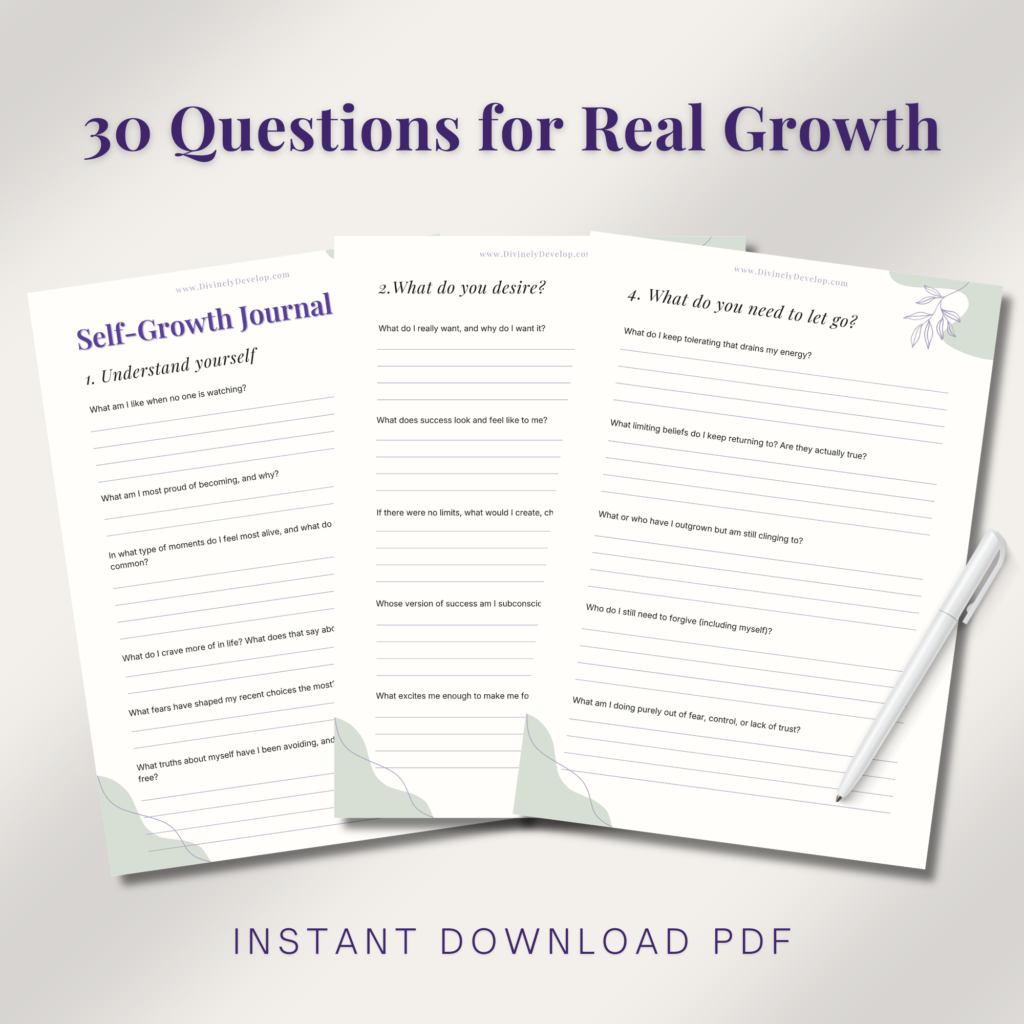
1. Journaling: Observe your thoughts and reflect with clarity.
Writing down your thoughts is a powerful way to observe them from a more rational perspective. Journaling with prompts guides you to answer important questions about yourself, helping you reflect and understand yourself better.
A journal prompt you can try to answer right now is, What are my biggest flaws, and how can I minimize them?
2. Shadow Work: Explore deep, subconscious patterns.
Shadow work entails answering deep questions about yourself. It goes in-depth and guides you to seek answers that might be hidden in your subconscious mind. It is great for tackling deep-set beliefs and experiencing healing.

3. Meditation: Reconnect with your soul.
Self-reflection and awareness is a mindfulness practice, and meditation is a great way to exercise it. Through meditation, you realize you are not simply your thoughts and feelings, but there is more ‘you’ behind all that noise. Meditation helps you detach from your ego and experience the person you truly are.
4. Therapy: Gain insight through an objective lens.
Therapy is a great way to reflect on our behavior, as we get to express things out loud that we might not otherwise. It works because we have a professional with an objective opinion guiding us and helping us become more self-aware.
5. Feedback: Reveal blind spots.
Besides a professional opinion, we can seek an objective opinion from a person close to us. People who love us can have skewed opinions, so it’s important to talk to someone who will be realistic.
Conclusion
Embracing self-awareness allows us to create genuine, meaningful, and loving relationships—not only with others but also with ourselves. As we acknowledge the truth of who we are, we take a powerful step toward positive transformation in every area of our lives.
Remember, the journey to becoming self-aware may not be easy, but it is the most liberating path you can take. By embracing your truth, you allow yourself to live authentically and build the relationships you truly deserve.